




10% VAT will be added to all procedures.
Will You Remain in the Language of the Past?
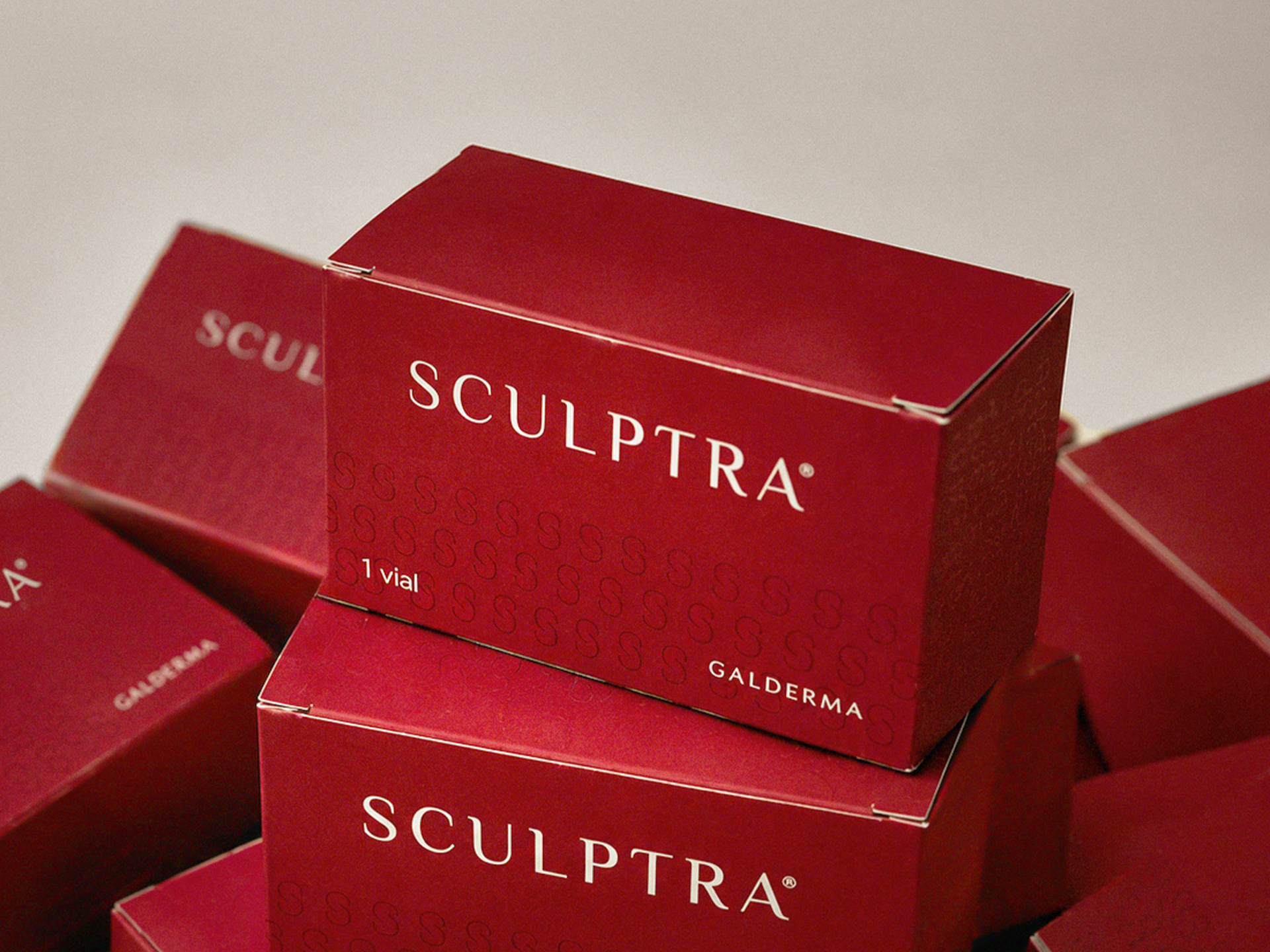
For a long time, anti-aging has interpreted facial changes as a ‘loss of volume.’ A method of filling sunken areas and supplementing diminished contours. That approach was the aesthetic of an era. However, the face today changes within a much more three-dimensional flow. Time does not merely take things away. It alters where the light falls, shifts structural tension, and slowly changes the very direction of the vectors that once supported the center of the face. Thus, recent anti-aging can no longer be explained simply by ‘filling.’ What matters is no longer how much volume has been added, but rather how naturally the flow of collapsed structures can be reconnected. In that sense, if Sculptra is still understood as a simple volume procedure, it might belong to the language of a previous era. Sculptra is not simply an approach of adding volume, but rather a method of redesigning structures loosened by time from deep within the skin. Now is the time for anti-aging to speak of structural sense, rather than mere issues of volume.
Designed by a Sculptra Master Doctor
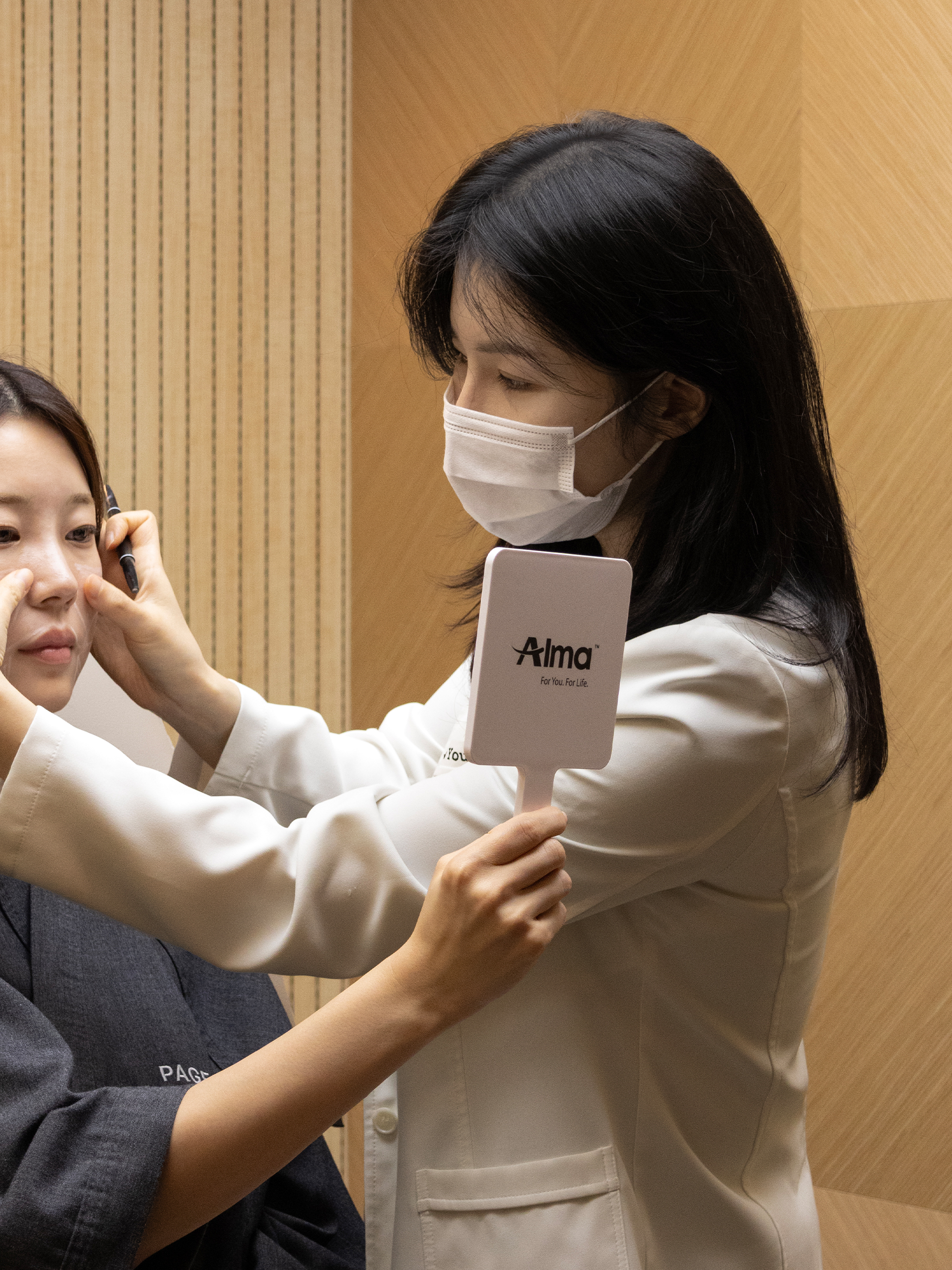
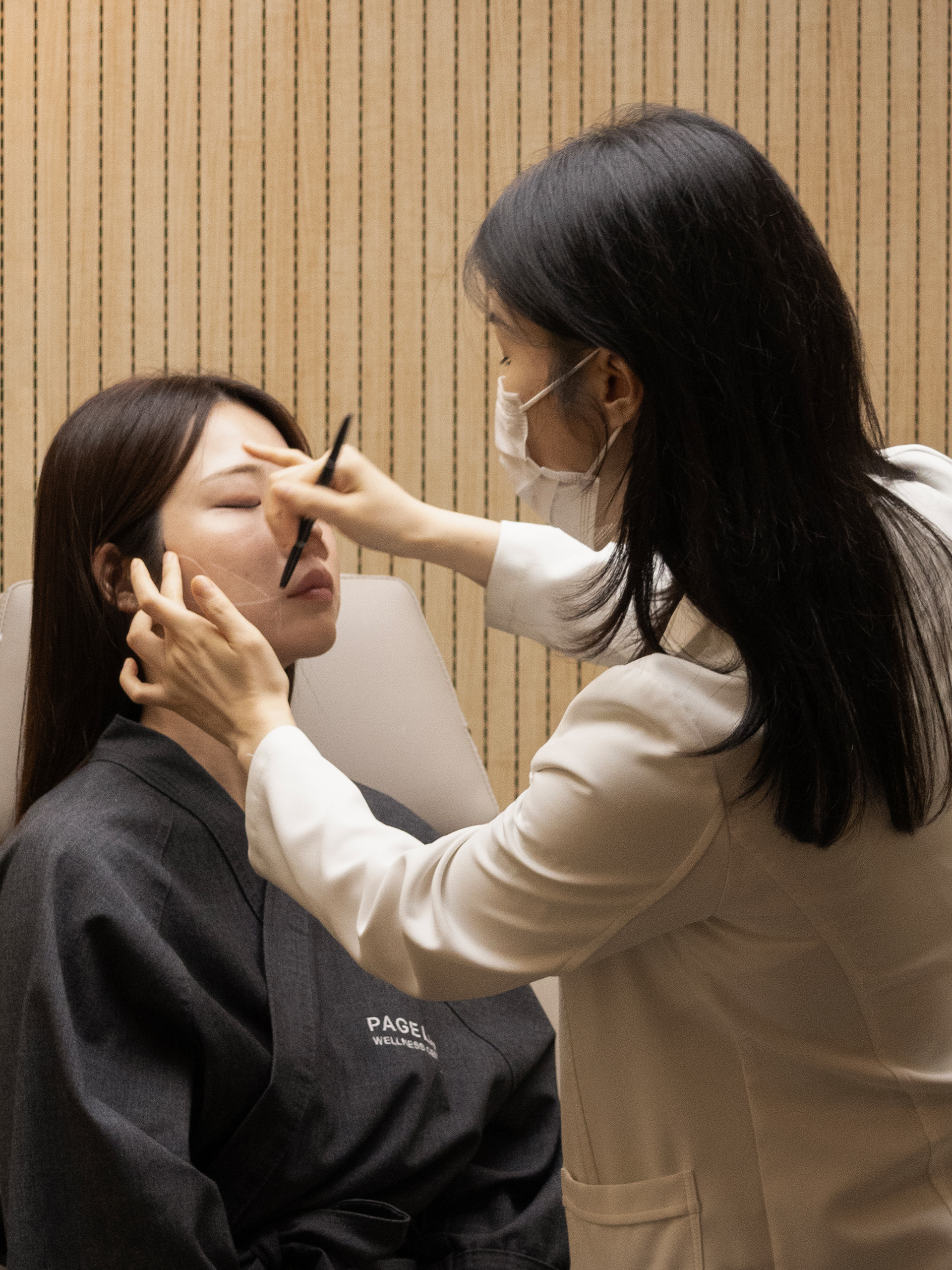
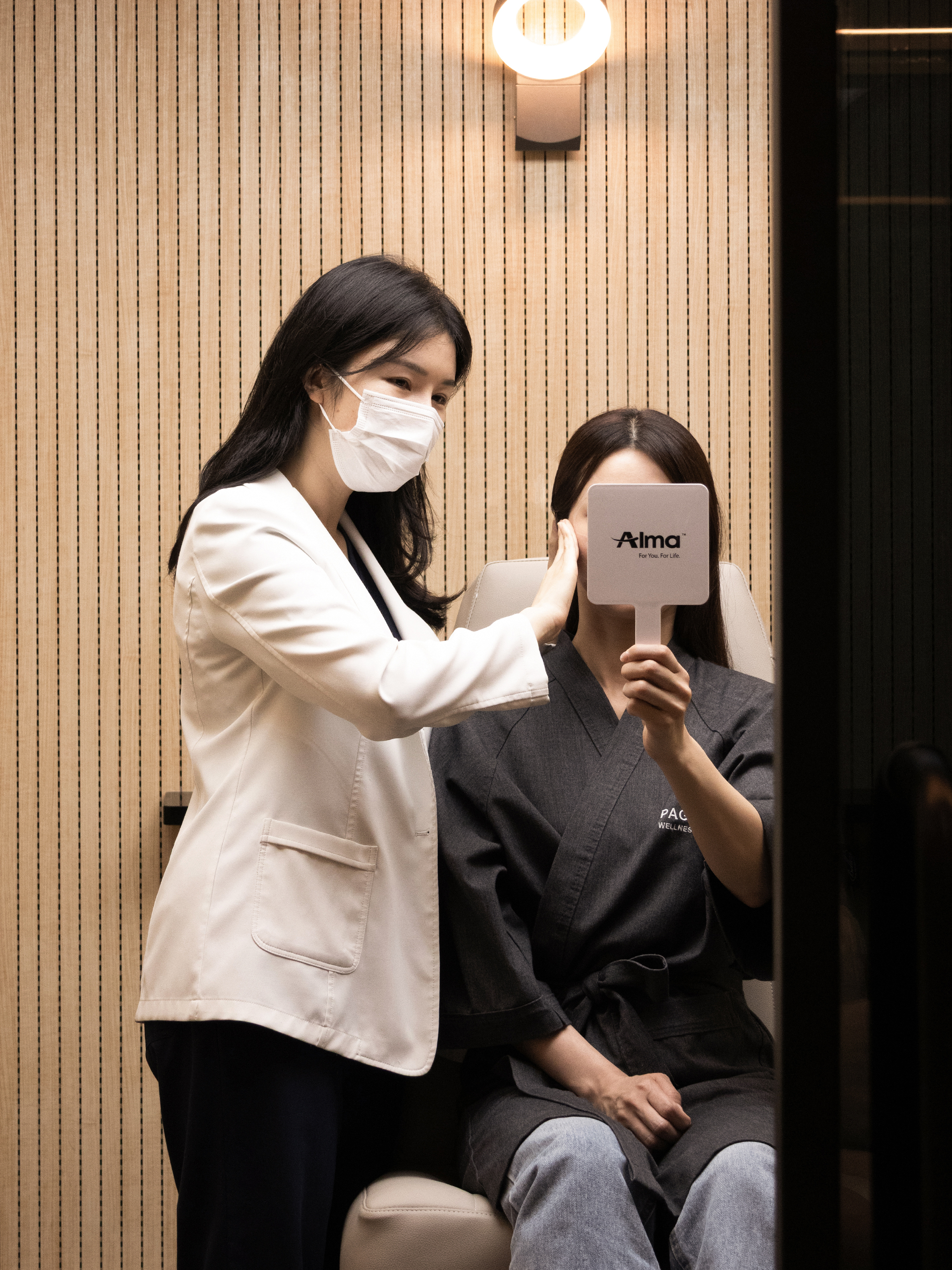
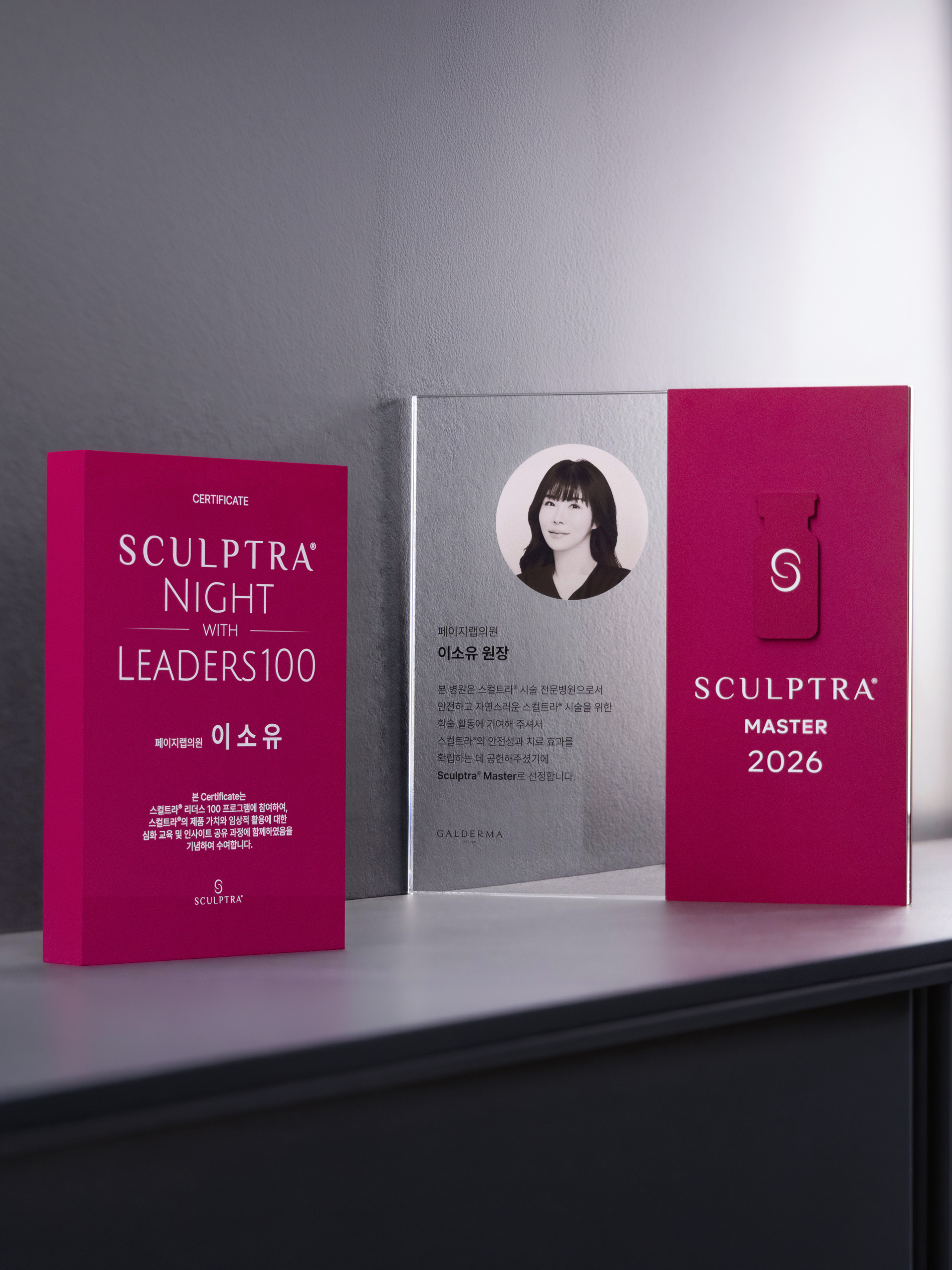
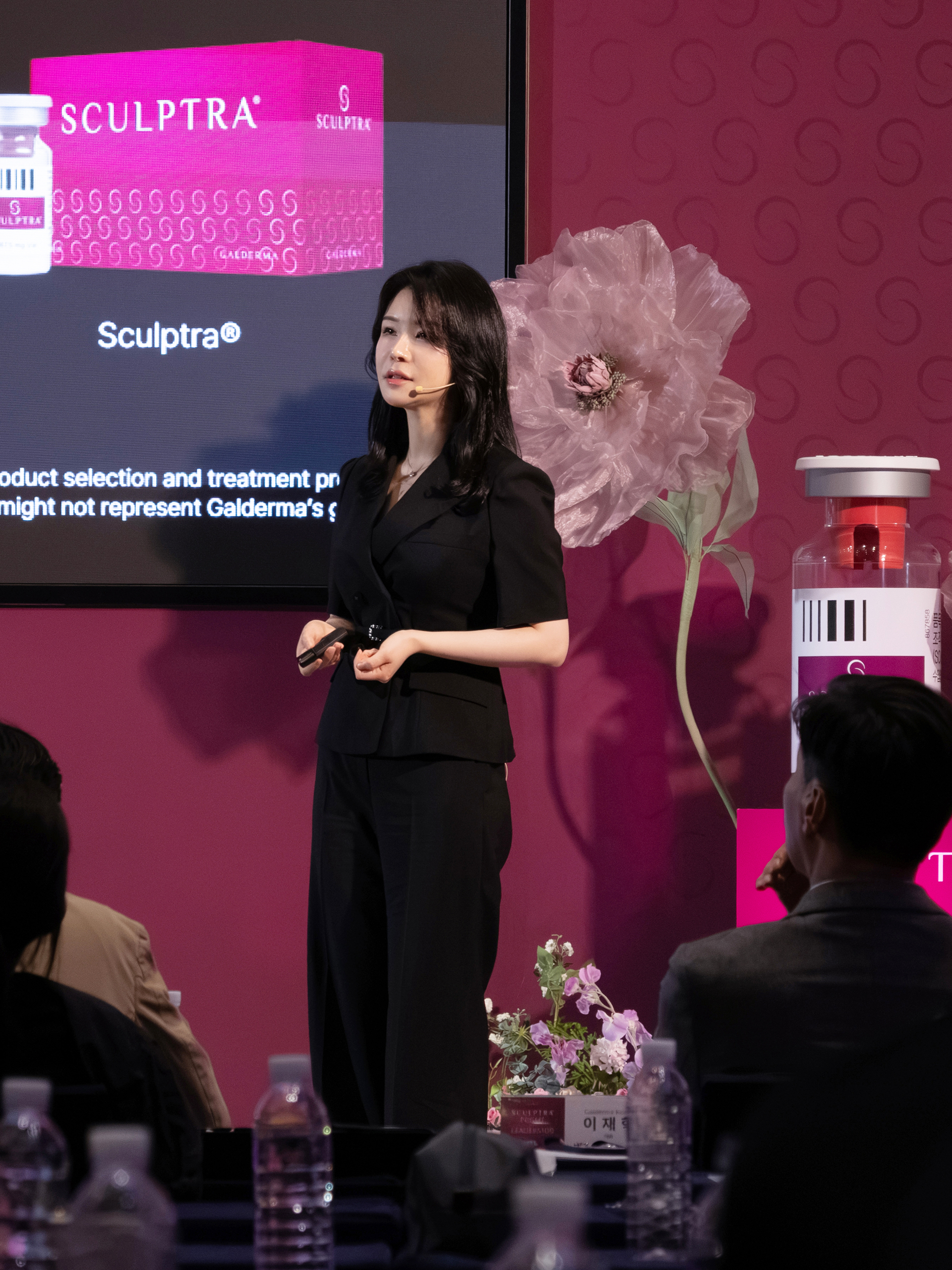
This title reflects a deep understanding of facial structure. Named a Sculptra Master Doctor by Galderma Korea and serving as director of a Sculptra Regional Training Center, our doctor has lectured on Lifting Sculptra protocols and trained physicians in Korea and abroad. Facial aging is read not as a loss of volume but as a weakening of structural support, and the placement of Sculptra is planned along the layers and vectors of each face. When an eye for structure meets years of clinical experience, what is added finally shows as a natural lift.
A Maestro Orchestrating Sculptra
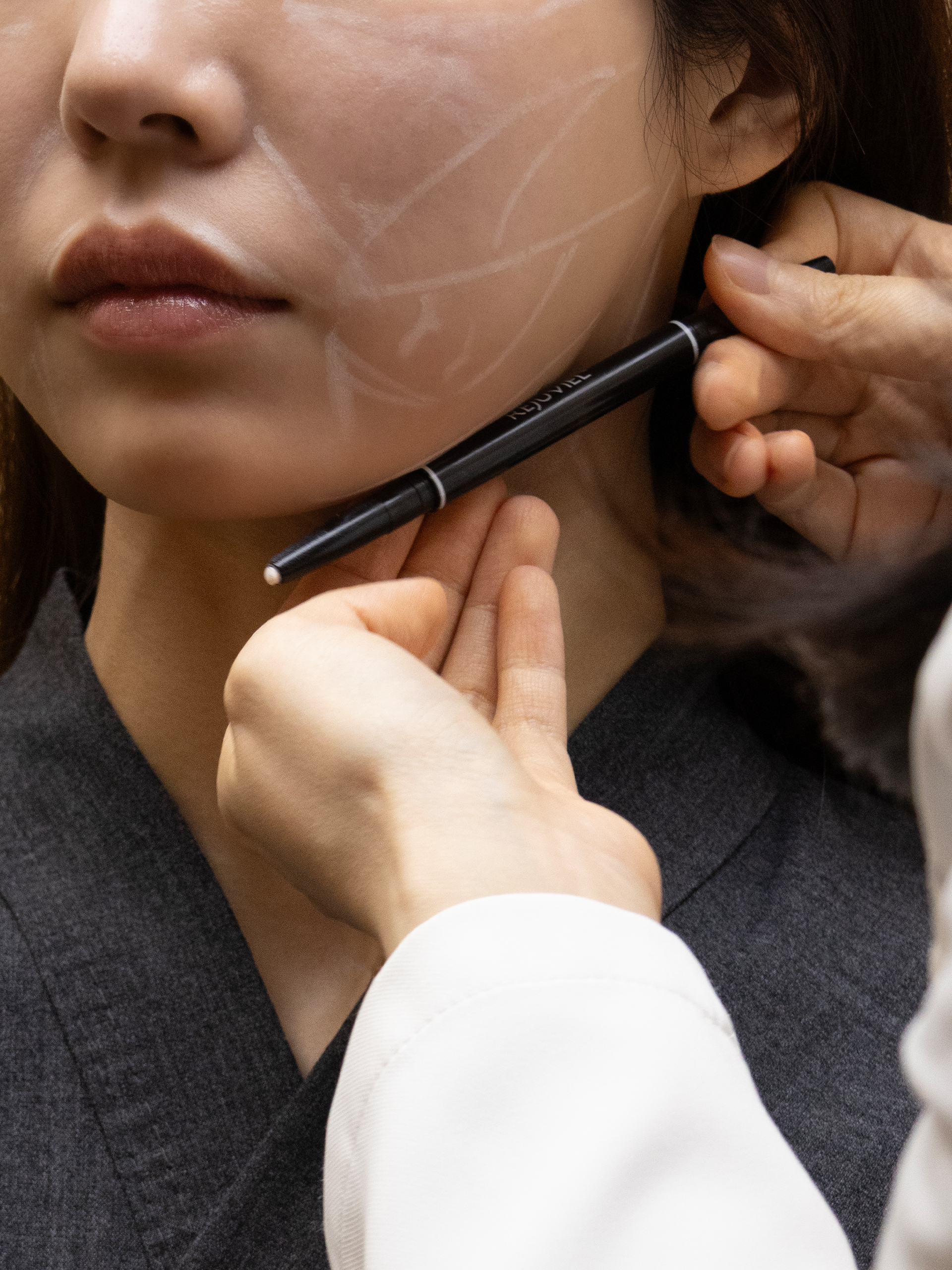
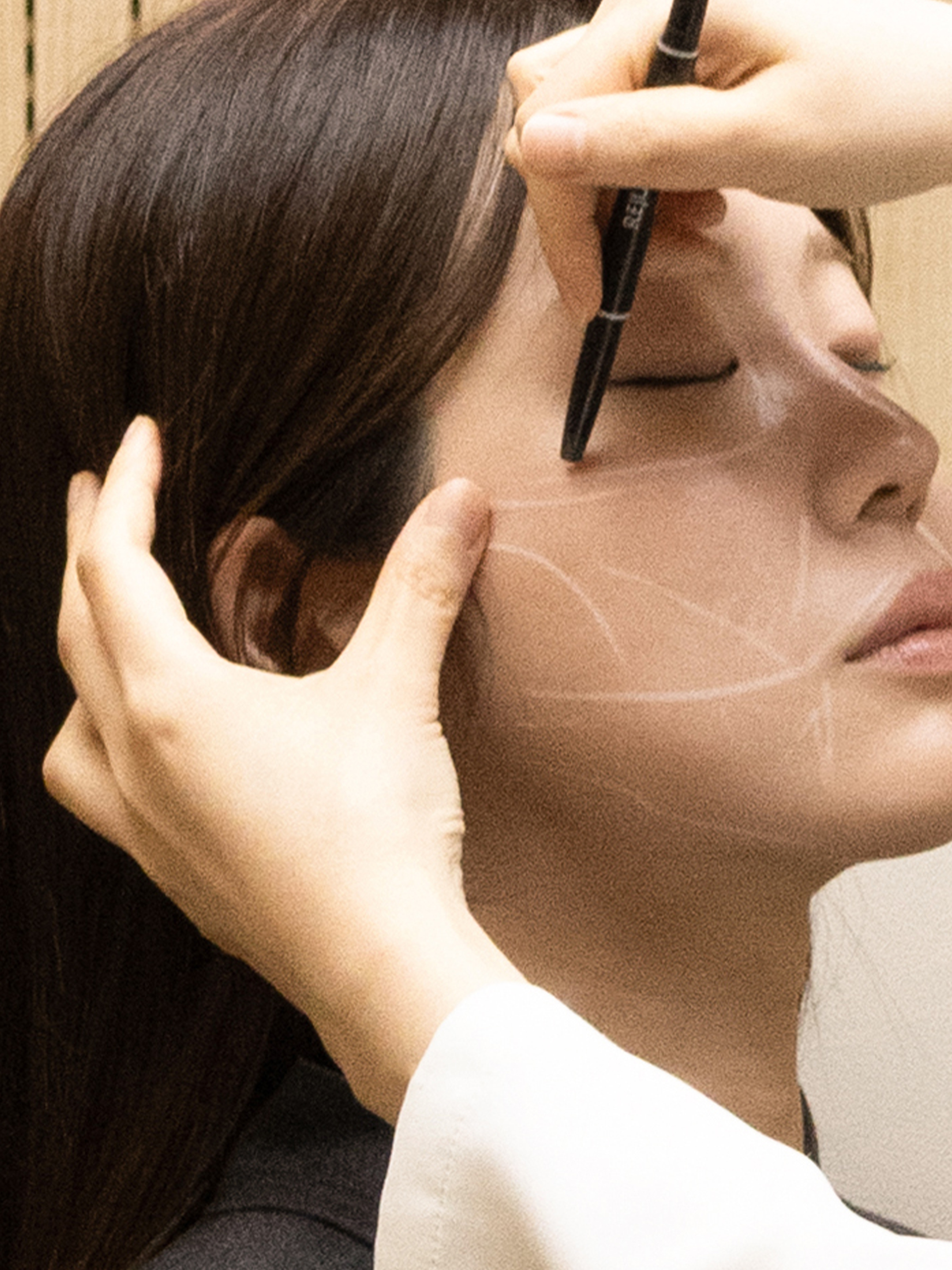
Sculptra operates like a melody upon the grand score of the face. It reads the densities, tensions, vector directions, and support flows of different layers, harmoniously tuning the balance of scattered structures across the entire face. Much like a maestro orchestrating notes of varying depths into a single unified flow, Sculptra is not interpreted as a procedure acting on just one point. In reality, facial changes occur simultaneously across different depths—not just on the skin's surface, but in collagen density, the supporting power of fat layers, retaining ligament tension, and structural changes around the skeleton. In particular, the temporal region is viewed as a crucial structural axis where the outer facial support vector begins. As time passes, the density and retaining ligament tension around the temporal region are the first to fade, leading to the downward movement of soft tissues and changes in the flow of the entire facial line. Lifting Sculptra begins precisely upon this structural flow. It takes a multi-layering approach: recovering structural support in the deep layer by considering the density around retaining ligaments and fat support axes; realigning the balance of shifted fat layers and soft tissues in the middle layer; and addressing skin texture, surface elasticity, and the flow of light in the shallow layer. This approach considers the distinct roles and tensions of each layer, allowing Sculptra to act more three-dimensionally. Concurrently, the vector technique focuses on stably realigning the soft tissues that have moved downward, based on an upward and backward lifting flow. The result is closer to a naturally refined tension along the jawline and side cheeks, creating an overall polished impression, rather than an instantly inflated face. Page Lab interprets Sculptra not as a simple product, but within the delicate relationship of structure, layers, and vectors. And we believe that this subtle difference in interpretation ultimately creates the difference in the results left on the face.
Rebuilding the Collapsed Structures
Sculptra is often described simply as a procedure to fill empty spaces. However, the changes time leaves on the face cannot be understood by volume alone. The loosened density of collagen, the disrupted balance of support, and the gradual downward shift of structural flow. Rather than adding new volume on top of these changes, Sculptra is closer to an approach that rebuilds structures collapsed by time from deep within the skin. It focuses on density and tension that recover slowly rather than instantly expanding, and a structural flow that connects naturally across the entire face. Ultimately, what matters is closer to what structures have been revived, rather than how much has been filled.
The Face Does Not Recover Through a Single Layer
The facial changes that occur as time flows never happen in a single layer. The density of collagen within the skin slowly loosens, and the tension of elastic fibers creates a different texture than before. Simultaneously, the balance of the skeleton and fat layers supporting the face is rearranged very slowly. These changes ultimately alter the support flow and the direction of the contours across the entire face. In particular, changes in the temporal region emerge as a signal that this delicate balance has begun to waver. Rather than simple sinking, it means the structural tension holding the upper face has changed. Furthermore, the face always moves within the direction of gravity. Soft tissues head downward, while retaining ligaments hold that flow to maintain the balance of facial positioning and contours. However, as time passes, the elasticity of these ligaments gradually loosens, and the resisting forces supporting the structure slowly weaken. Aging, therefore, is not a change in one specific part, but rather a process where the balance of forces supporting the entire face and the direction of vectors change. In some faces, the lateral support flow collapses first; in others, the connectivity around the jawline and mouth begins to loosen. This is because the skin, fat layers, skeleton, retaining ligaments, and the axis of movement lifting the face are connected like a single flow across different depths. Therefore, the face does not recover through a single layer.
Ultimately, Interpretation Leaves a Deeper Mark Than the Procedure
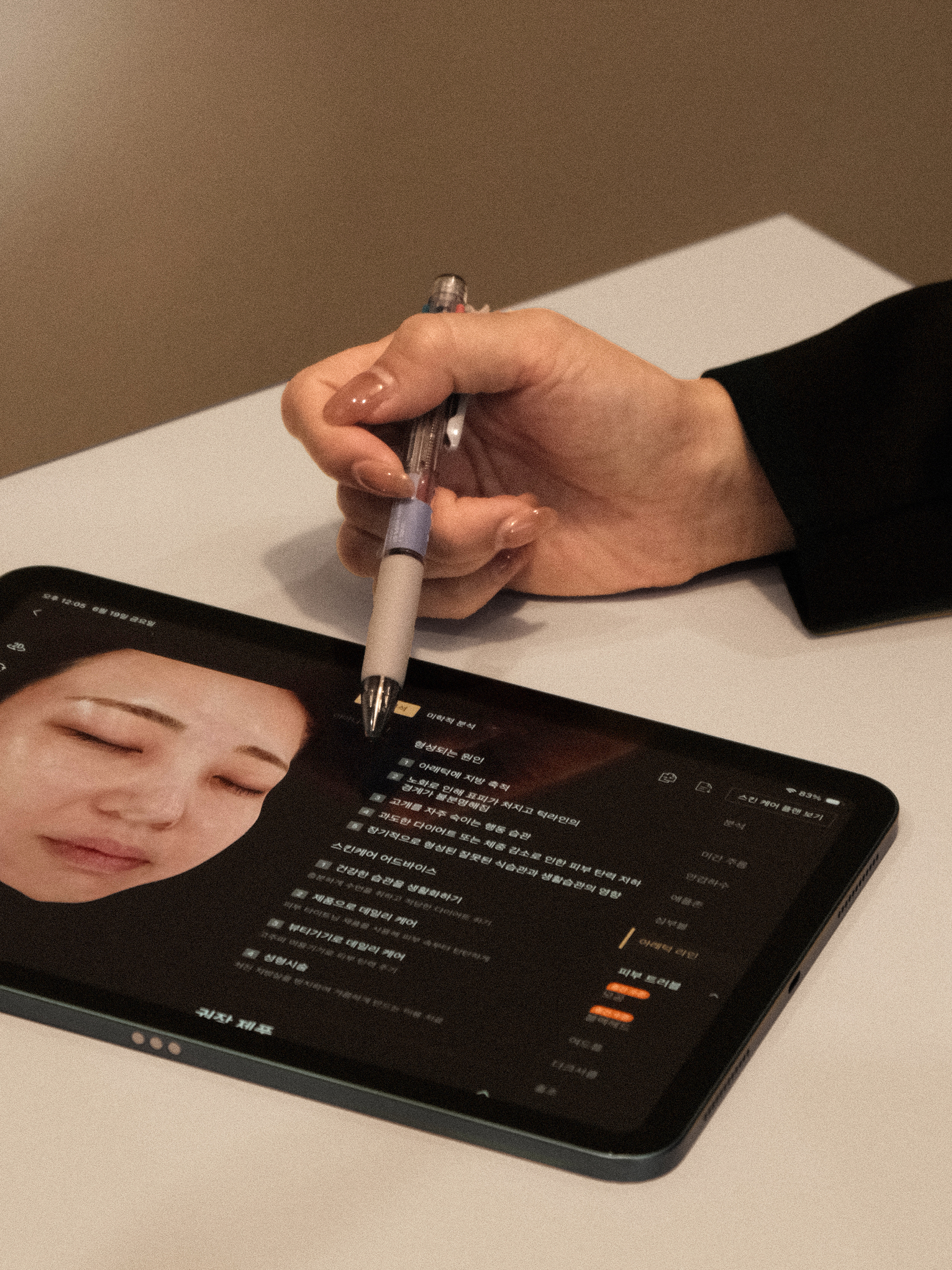
The face remembers more than we think. The direction of time, habits of repeated expressions, and the flow when structures collapse. Therefore, good anti-aging is not completed merely by techniques that add something. It is closer to the act of reading which layer loosened first, where the balance was disrupted, and how the tension inherent to the face should be naturally connected. Page Lab observes this subtle language of structure. A change that reveals a naturally well-balanced face from the beginning, rather than an excessively altered one. Because ultimately, an impression that lasts over time is closer to an unbroken flow rather than the size of the volume.
On the Record
Lifting Sculptra at Page Lab
A record of how Page Lab's physicians have studied and shared Lifting Sculptra — lectures, training and news, gathered in one place.
Details That Complete the Structure
When an Overall Sagging Appearance is a Concern
As time passes, the forces supporting the face gradually shift downward. Lifting Sculptra creates new anchor points and support for sagging facial lines, inducing a more natural and stable lifting effect.
Recommended Combination
When the Density of Firmness is Needed More Than Volume
Rather than simply sinking, the skin gradually loses its density and tension. Through PLLA-based collagen remodeling, Lifting Sculptra restores natural elasticity and texture from deep within the skin.
Recommended Combination
When You Want to Regain Original Balance Without Excessive Change
Good anti-aging is closer to the process of realigning the disrupted structural flow rather than changing the face. Lifting Sculptra creates a more natural and three-dimensional contour through the perspective of vectors and multi-layering.
Recommended Combination


